
07 May Enhancing Hotel Accessibility: A Comprehensive Guide
In today’s hospitality industry, ensuring accessibility is not just a legal obligation but also a commitment to inclusivity and exceptional guest service. Hotels must adhere to specific hotel accessibility requirements to accommodate guests with disabilities, ensuring their comfort and safety throughout their stay.
Understanding Hotel Accessibility Requirements
Under the UK’s Equality Act 2010, hotels are mandated to make reasonable adjustments to avoid discriminating against individuals with disabilities. These hotel accessibility requirements encompass various aspects, including physical infrastructure, services, and communication methods.
Key accessibility requirements include:
- Accessible Entrances and Routes: Ensuring step-free access to the hotel entrance and throughout public areas.
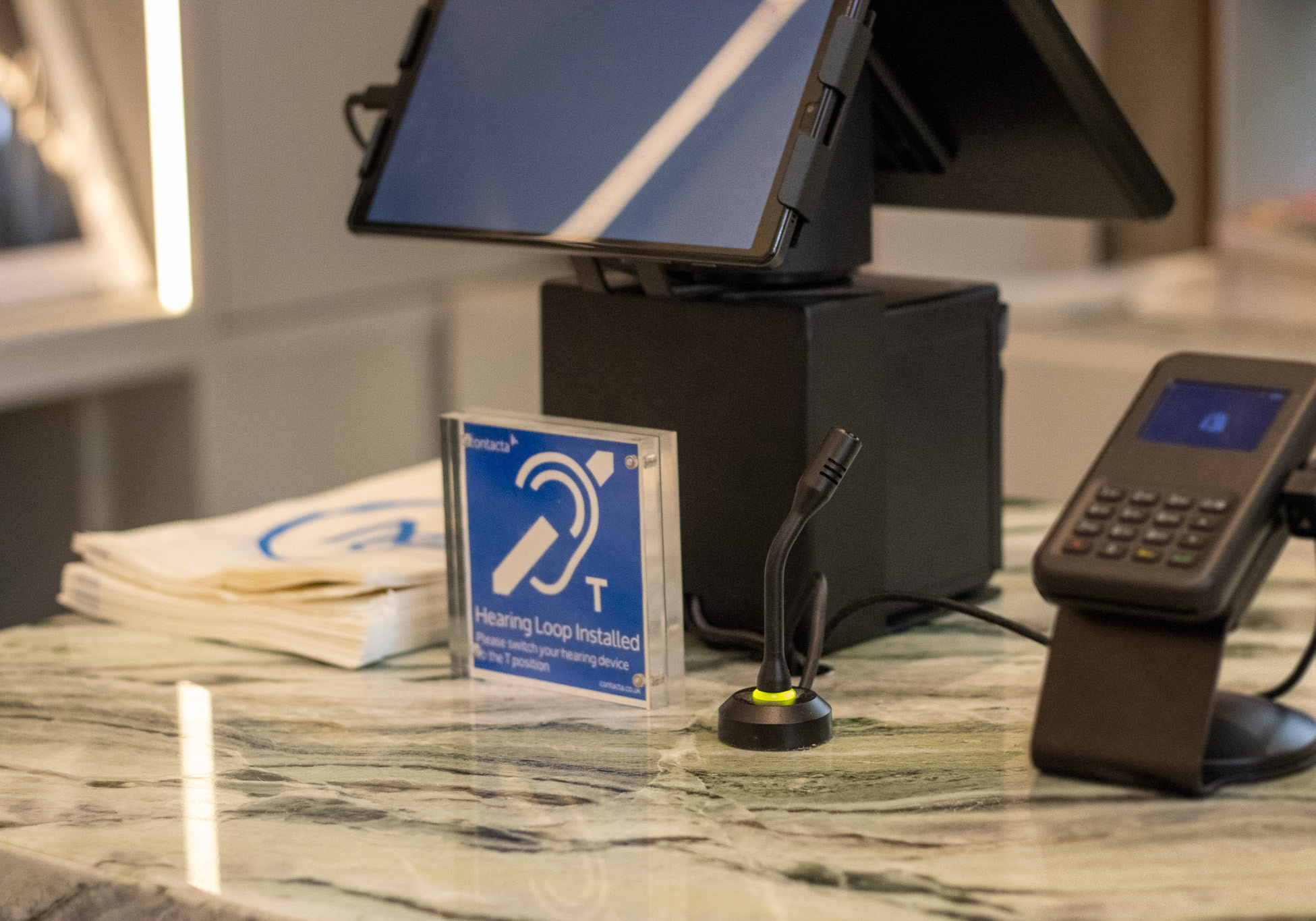
- Accessible Reception Areas: Providing lowered counters and hearing loops for guests with hearing impairments.
- Accessible Toilets: Installing unisex accessible toilets in public areas, equipped with appropriate fixtures and emergency alarms.
- Signage and Information: Offering clear signage and information in accessible formats, such as braille or large print.
Compliance with these requirements not only fulfils legal obligations but also enhances the overall guest experience.
Accessible Hotel Room Requirements
An accessible hotel room is designed to accommodate guests with mobility, hearing, or visual impairments. According to the British Standards Institution (BSI) and guidance from the Equality and Human Rights Commission (EHRC), accessible hotel room requirements include:
- Spacious Layout: Adequate space for wheelchair manoeuvrability, including turning circles and clear pathways.
- Accessible Bathroom Facilities: Roll-in showers, grab rails, lowered sinks, and emergency pull cords.
- Adjustable Beds: Beds at appropriate heights, with space underneath for hoists if necessary.
- Visual and Auditory Aids: Visual fire alarms, vibrating pillows, and hearing loops for guests with hearing impairments.
- Accessible Controls: Light switches, thermostats, and other controls positioned at accessible heights.
These features ensure that guests with disabilities can enjoy a comfortable and safe stay, with facilities that meet their specific needs.
Implementing Accessibility in Hotels
To meet hotel accessibility requirements, hotel operators should:
- Conduct Accessibility Audits: Regularly assess facilities to identify and address accessibility barriers.
- Train Staff: Provide training on disability awareness and the operation of accessibility features.
- Engage with Guests: Seek feedback from guests with disabilities to understand their needs and improve services.
- Stay Informed: Keep up-to-date with evolving standards and best practices in accessibility.
- Consult with experts: Speaking with industry experts, like Contacta, can help ensure you access the best equipment to enhance accessibility in your hotel.
By proactively addressing accessibility, hotels can create inclusive environments that cater to a diverse clientele.
Conclusion
Ensuring compliance with hotel accessibility requirements and providing rooms that meet accessible hotel room requirements is essential for modern hospitality. By prioritising accessibility, hotels not only fulfil legal obligations but also demonstrate a commitment to inclusivity, enhancing the guest experience for all.
For more information on enhancing hotel accessibility and implementing assistive listening solutions, please contact Contacta at +44 (0)1732 223900 or email sales@contacta.co.uk.
 MADE IN THE UK: We’re proud to say our Contacta designed products are manufactured in the UK